Ramadan is not just a holy month of fasting; it’s also a time to think about your spirituality, be generous, spend time with your family, and eat meals together. Muslims around the world break their fast with foods that have deep cultural, historical, and traditional meanings.
Around the world, traditional Ramadan foods are very different from each other, but they all have one beautiful purpose: to feed both the body and the soul after a day of fasting from dawn to sunset.
In this detailed guide, we’ll look at famous traditional Ramadan foods around world, what they mean in terms of culture, and how food brings millions of people together during this holy month.
Table of Contents
What is it about Ramadan food that makes it special?
The meals during Ramadan are different because they are based on two important times of day:
Suhoor is the meal before dawn.
Suhoor gives you energy for the day of fasting. Foods are usually:
- Full of nutrients
- Takes a long time to digest
- Drinking water
Oats, eggs, flatbreads, yogurt, dates, and fruits are all common foods for suhoor.
Iftar: The Meal That Ends the Fast
Traditionally, Iftar starts at sunset with dates and water, following the example of the Prophet. Then come soups, appetizers, main courses, desserts, and drinks to cool you down.
During Ramadan, food is important:
- Welcoming
- Meetings in the community
- Giving to charity and sharing
Traditional Ramadan Foods from the Middle East 4
Some of the most well-known Ramadan foods come from the Middle East.
Dates and Arabic coffee are two popular dishes.
The most common Ramadan starter in the Arab world.
Moroccan Harira Soup
A thick soup made with tomatoes, lentils, chickpeas, herbs, and spices. It’s great for getting your energy back after a fast.
Maqluba (Jordan and Palestine)
Before serving, the rice dish with vegetables and meat was turned upside down.
Sambousek
Appetizers were crispy pastries filled with cheese, meat, or vegetables.
Qatayef
A traditional Ramadan dessert filled with nuts or cream and soaked in syrup.
Culturally important: Families often pray before meals and then eat together in large groups.
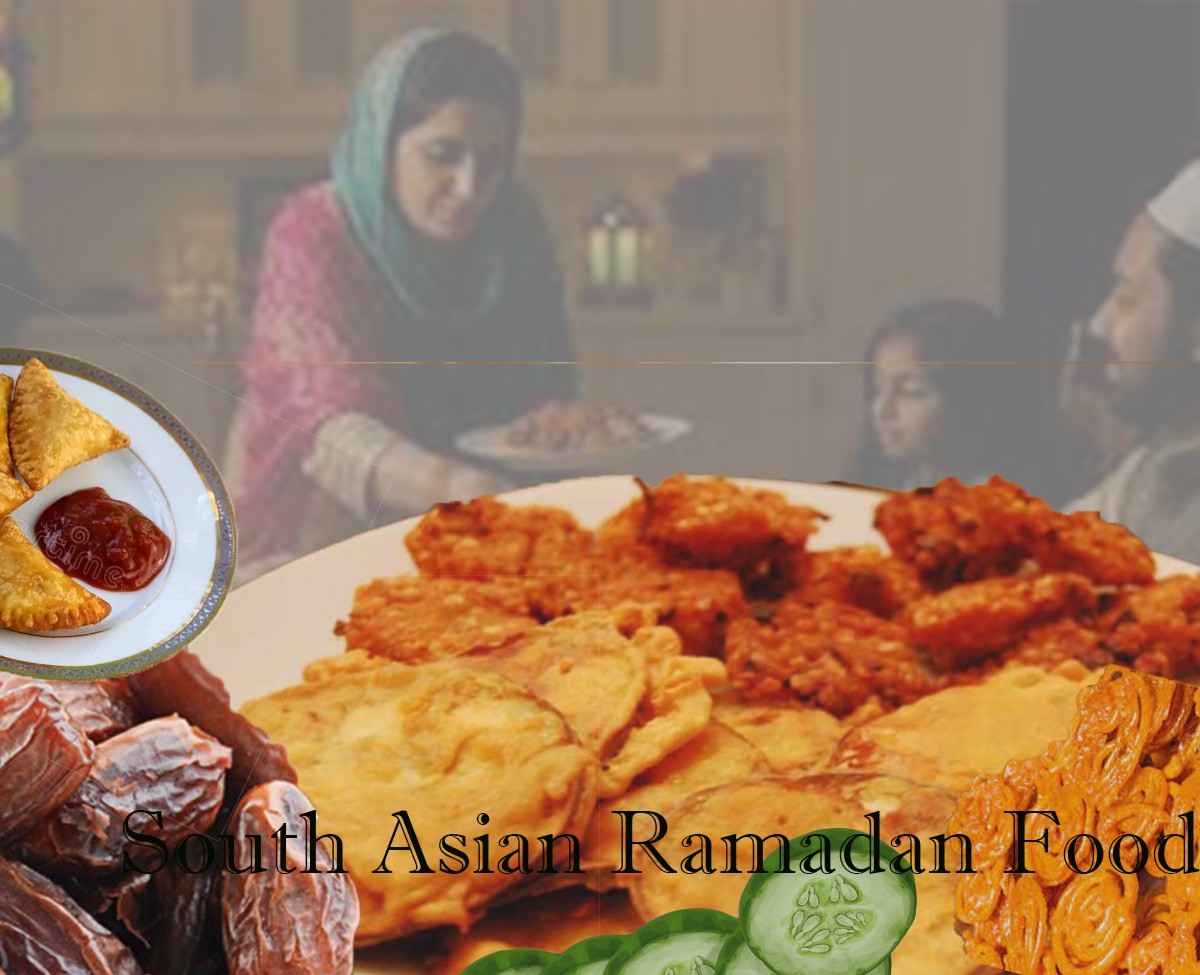
Foods for Ramadan in South Asia 4
During Ramadan, South Asia has colorful flavors and iftar spreads that are inspired by street food.
Haleem is a famous food for Ramadan.
A thick, healthy stew made by slowly cooking wheat, lentils, and meat together.
Pakora and Samosa
Snacks that are deep-fried and popular in India, Pakistan, and Bangladesh.
Chaat with fruit
A cool fruit salad with citrus and spices.
Jalebi (Jilapi)
Spirals soaked in sweet syrup that people love during iftar.
Rooh Afza Drink
A drink with a rose flavor that cools you down.
Tradition: Mosques and neighborhoods often give out free iftar meals, which shows how kind and united people are.
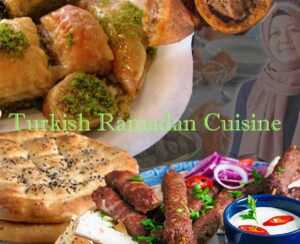
4 Turkish Ramadan Foods
During Ramadan, Turkey mixes its Ottoman heritage with modern cooking styles.
Ramazan Pidesi is a traditional dish.
Soft, round bread made just for Ramadan.
Çorbası Mercimek
Creamy lentil soup is a common dish at iftar.
Dolma: Stuffed Grape Leaves
Vine leaves stuffed with rice and flavored with herbs and olive oil.
Güllaç
A light dessert made with nuts and pastry sheets soaked in milk.
Cultural Note: Cities are full of festive decorations and community iftar tents.
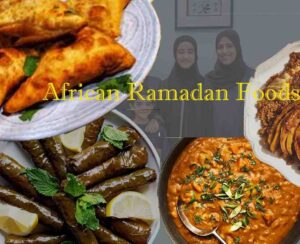
Foods for Ramadan in Africa
The food that people eat during Ramadan in Africa shows a lot of different cooking styles.
Dishes that are popular
Ful Medames (Egypt)
Fava beans that have been cooked slowly and served with olive oil, lemon, and spices.
Aseeda (Sudan)
A dish made with wheat that is served with savory sauces.
Mandazi (in East Africa)
Fried bread that is a little sweet and tastes like doughnuts.
Samosas
This is common in Kenya, Tanzania, and Somalia during iftar.
Tradition in the community: Neighbors often share homemade food before sunset.
Southeast Asian Foods for Ramadan
The night markets and street foods in Southeast Asia during Ramadan are well-known.
Dishes You Have to Try
Kolak (from Indonesia)
Dessert made with sweet bananas and sweet potatoes cooked in palm sugar syrup.
Bubur Lambuk (from Malaysia)
A free rice porridge with a savory flavor is given out at mosques.
Skewers of Satay
Meat that has been grilled and served with peanut sauce.
Fairs during Ramadan
Markets outside that sell traditional iftar foods.
Ramadan Food Traditions in Europe and the West
Muslim communities in Europe and North America celebrate Ramadan with influences from many cultures.
Normal Things
- Iftars are like a potluck.
- Fusion cuisine that mixes cultures
- Dinners at the community mosque
Some popular foods are:
- Meat cooked on a grill
- Dishes with rice
- Salads
- Desserts from around the world
Ramadan is a beautiful example of how different cultures are.
Drinks that are important during Ramadan around the world
After fasting, it’s very important to drink water.
Drinks that are popular during Ramadan
- Jallab (in the Middle East)
- Juice from Tamarind
- Rooh Afza (in South Asia)
- Tea from Hibiscus (Africa)
- Juices from fresh fruit
These drinks give you back your energy and electrolytes.
Why Traditional Foods for Ramadan Are Important
Traditional foods for Ramadan are more than just food.
They stand for:
- Gratitude and faith
- Cultural heritage
- Being together as a family
- Giving and being kind
Eating together makes families, neighbors, and communities around the world stronger.
Tips for Eating Well During Ramadan
It is very important to keep your nutrition balanced.
Pick Iftar Meals That Are Balanced
Add:
- Proteins
- Grains that are whole
- Veggies
- Good fats
Don’t eat too much
Start your day off right with dates and soup.
Drink plenty of water.
Drink water all the time between iftar and suhoor.
Eat Well at Suhoor
Eat foods that take a long time to digest, like oats and eggs.
How Ramadan Food Brings People Together
Even though they come from different cultures, Muslims all over the world share the same spiritual rhythm:
- Not eating
- Praying
- Thinking
- Meals for the whole community
Traditional Ramadan foods from all over the world, like Moroccan harira and Indonesian kolak, show how food brings people together through religious traditions.
Questions that are often asked (FAQs)
What foods do people usually eat during Ramadan?
People all over the world eat dates, soups, rice dishes, fried snacks, desserts, and drinks that are good for you.
Why do people eat dates first at iftar?
Dates are a quick source of natural energy and are part of the prophetic tradition.
Are the foods eaten during Ramadan the same everywhere?
No, each area has its own dishes that are shaped by the culture and ingredients there.
What is the most popular food during Ramadan around the world?
Sharing meals, dates, and soup are all common traditions.
Final Thoughts
The foods that are eaten during Ramadan show how beautiful Islamic culture is around the world. While all countries have the same spiritual goal, they each bring their own flavors, techniques, and stories to the table.
Ramadan meals are a way to show thanks, kindness, and togetherness, whether they are eaten in a busy Middle Eastern city, a South Asian home, or a Western mosque community.
Looking at traditional Ramadan foods from around the world reminds us that food is a language that everyone understands and that brings people together in faith, celebration, and love.